
Not just money.
Not just goods.
But care. Thought. Love.
It’s more than a transaction.
It’s a tradition — and a quiet act of loyalty.
This Didn’t Start Yesterday
In the 1960s and ’70s, it was common to see barrels stored in front rooms, half-packed for months.
Families would top them up slowly: a tin of milk here, a shirt that no longer fit there, a Sunday newspaper once read, folded and kept.
When the time was right — usually when someone’s cousin or co-worker had enough to send too — it would all be bundled together and shipped off.
We didn’t call it “logistics.”
We called it sending home.
What Does It Mean to Send Home?
It means you haven’t forgotten.
It means you still care, even from far away.
It means you’re still part of something — even if your body’s here and your roots are there.
Sending home isn’t just a habit.
It’s emotional infrastructure — the invisible threads that keep families knitted together across oceans.
What’s in a Barrel?
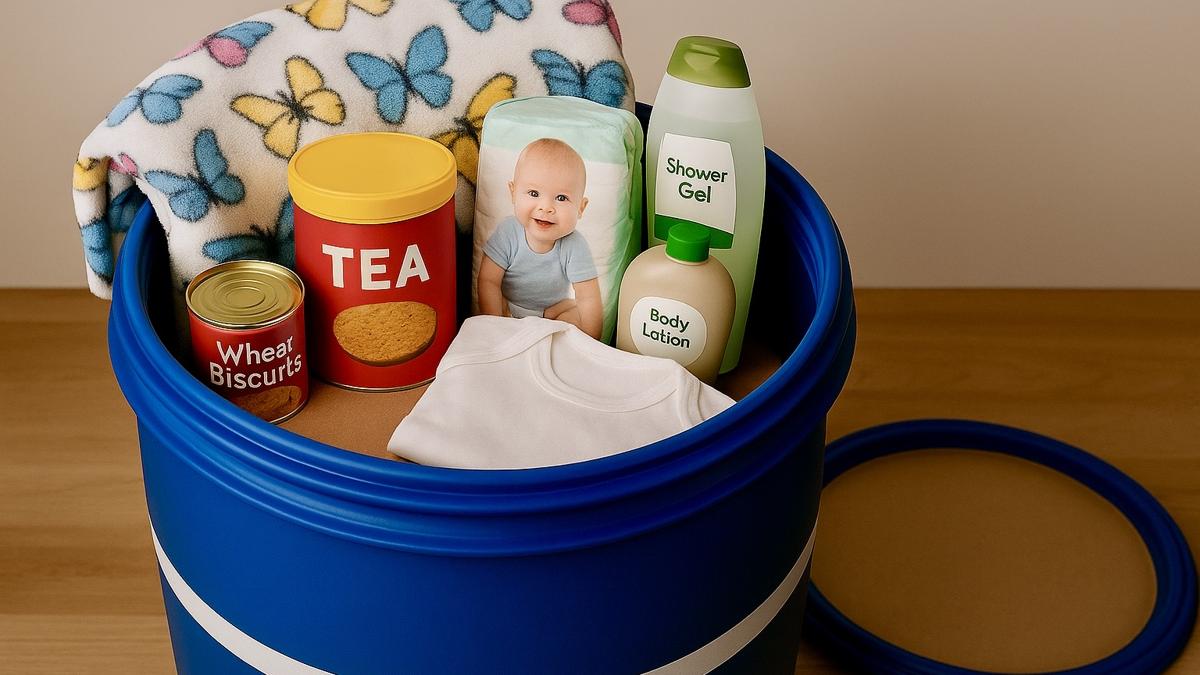
To someone else: dry goods, toiletries, a few tins.
To us:
- School shoes for a nephew
- Shea butter for a grandmother
- A second-hand laptop for a niece starting college
- A bottle of oil that’s cheaper here, but precious there
A barrel isn’t just a container. It’s a care package on an international scale.
The Tradition Continues
You’ll still find families doing the same today.
Some faster. Some slower. Some with WhatsApp notifications and live tracking.
But the meaning hasn’t changed.
We still send.
We still share.
We still care.
Want to send something home? Call us or request a quote. We’ll help you do it right.